2026-11-11 ·
When Do Termites Swarm in Maryville and Blount County?
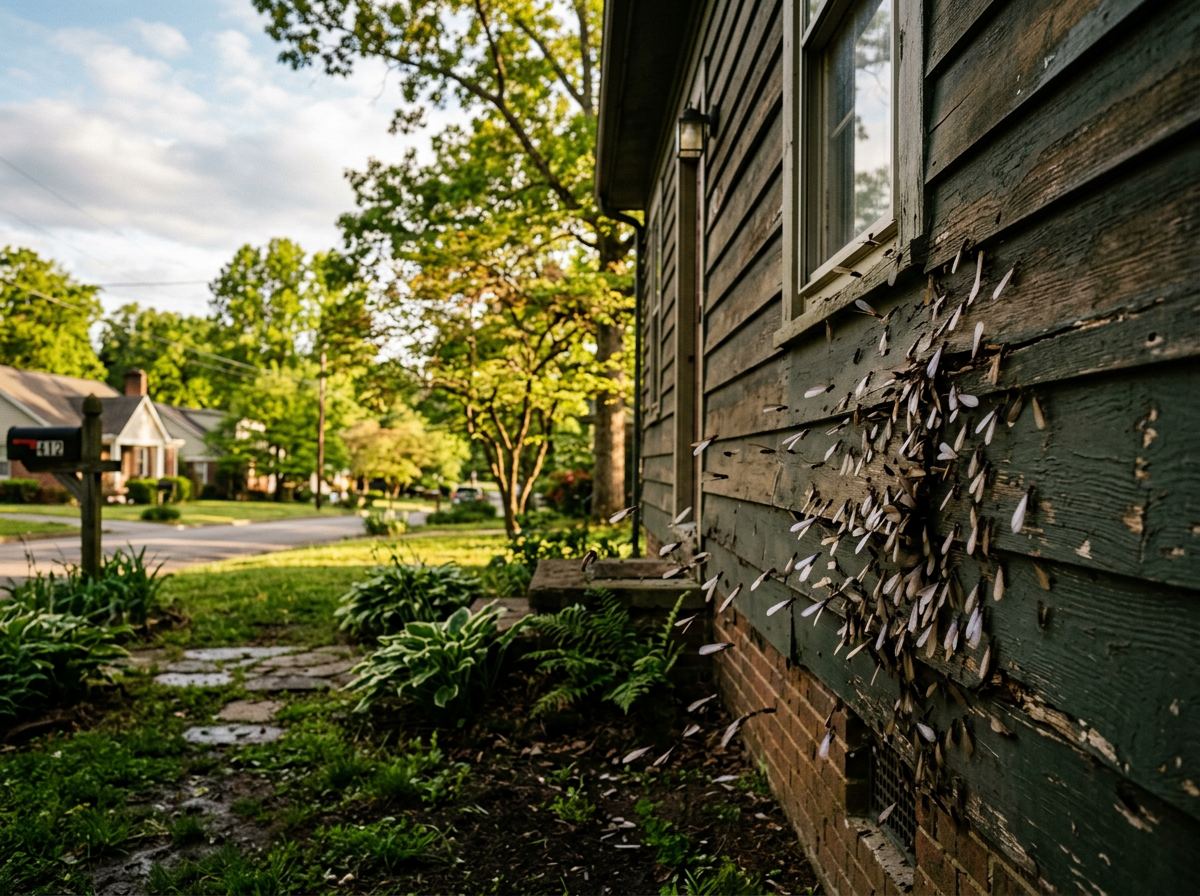
Termites swarm in Maryville and Blount County from late March through early June, with the strongest activity after warm rains in April and May. This timing aligns with rising soil temperatures that trigger reproductive flight from established colonies beneath homes and wooded lots throughout the area.
Primary Swarming Window in Blount County
Subterranean termites in Maryville and surrounding Blount County locations begin swarming once daytime highs reach the mid-60s and soil moisture increases. Local patterns show the first flights often appear in late March near the Little River and in neighborhoods with older crawl spaces. Activity intensifies in April when afternoon thunderstorms soak the ground, then tapers by early June as drier summer conditions set in. Residents in Alcoa and Maryville proper report seeing winged swarmers around dusk on calm evenings following rain. These flights last only a few hours each time, but multiple waves can occur over several weeks if moisture remains consistent. Checking windowsills and porch lights during this period reveals whether a nearby colony has reached maturity.
Local Conditions That Trigger Flights
Soil temperature and rainfall patterns in the foothills around Maryville drive the exact dates each year. When overnight lows stay above 50 degrees and at least a half-inch of rain falls within 24 hours, mature colonies release swarmers. Properties near Townsend or Walland see slightly later starts because of cooler elevation, while homes closer to the river in Louisville and Friendsville often notice activity first. Crawl spaces with poor ventilation hold the humidity that supports colony growth, making those homes more likely to produce swarmers on schedule. Monitoring weather records for the first sustained warm spell after March 15 gives a reliable head start on inspections.
Practical Checks During Swarming Season
Homeowners should inspect exterior light fixtures and window frames each evening from late March onward. Discarded wings near baseboards or in spider webs signal recent flights even if live swarmers are not visible. Inside the home, check unfinished basements and around sill plates for mud tubes that may appear once swarming begins. Linking these observations to a professional termite inspection helps confirm whether the swarmers originated from the structure or from nearby trees. Properties with crawl space moisture issues tend to show earlier and more frequent activity, so extra attention to ventilation and drainage pays off during peak months.
Next Steps After Spotting Swarmers
Finding swarmers inside or around the foundation calls for targeted follow-up rather than panic. Document the date, location, and weather conditions to share with a local termite specialist. Comparing treatment options such as liquid barriers versus bait stations helps match the approach to the home's construction and lot conditions. Scheduling an inspection of the termite swarmers themselves confirms species and colony location before any work begins. Consistent monitoring through the rest of the season prevents new colonies from establishing in the same yards.